Skills and Techniques Learned During Internship

  • Taking blood
  • Restraining Animals
  • Testing blood sugar
  • Giving Injections
  • Feeling for joint problems
  • Feeling for bladder stones
  • The process of the Physical Exam
  • Thought process behind diagnosing
  • Making friends with the animal to calm them and avoid getting bit (treats are good for this)
  • Urinalysis both chemical and visual analysis
  • Checking blood sugar


Common Preventative Measures:

  •  Vaccines:
    • Lime disease
    • distemper parvo
    • kennel cough
    • rabies
    • Dental Disease
  • Healthy Diet
  • Exercise
  • Parasite control
  • controlling environment of the animal
  • spay and neuter
  • educating owners of the importance of these aspects of the animal health
Common Cases

  • Overweight:  An animal that is overweight is more susceptible to medical problems.  We often saw dogs come in with joint problems or diabetes that can be related to weight gain. 
  • Diabetes: This is a disease that is more complicated to treat.  Determining the dosage of insulin to give the animal takes time and continuous checking up on blood sugar.  Their are five major symptoms of diabetes:
      1. Polydipsia: frequent drinking
      2. Polyurea: Frequent urination
      3. Lethargic
      4. Weight loss
      5. Polyphagia: increased appetite
  • Ear mites:  Saw this in a cat early on, looked like small white larva moving around.
  • Ear infection:  The animal will often scratch at their ears or shake their head.  When dealing with the ears they are very sensitive and an have an oder to them.
  • Full Anal Glands:  After a while some dogs' anal glands get full and need to be drained.  A dog may show signs of this by scooting its butt on the ground.  This is a basic procedure that is commonly done at a physical exam.
  • Dental Problems:  We mostly dealt with abscess teeth and often periodontal disease.
  • Hyperthyroidism in cats: an overactive thryroid gland occurs mostly in older cats and can lead to weight loss, increased food consumption, vomiting, increased water intake, and increased urination.  
  • Hypothyroidism in dogs: occurs mostly in middle aged dogs and is seen in specific breeds.  The under active thyroid gland can lead to symptoms such as weight gain, hair loss, skin problems, and lethargy.  

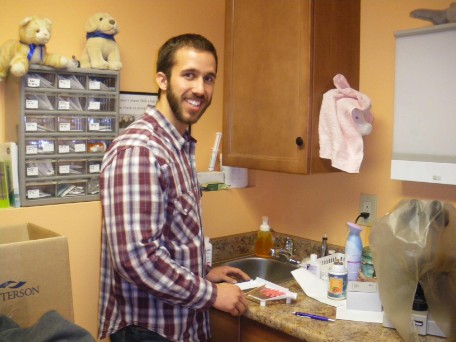
Above picture: counting pills 

 
Make a Free Website with Yola.